How to Evaluate Late-Match Attacking Pressure in Football: A Step-by-Step Guide
Late-match attacking pressure is not a vague feeling that a team is “pushing hard” during the final minutes. It is a sequence of observable signals — sustained possession in the opponent’s third, repeated shots, forced corner kicks, and defensive errors triggered by fatigue — that together tell you a team is actively changing the game after the 70th minute. If you want to evaluate this pressure reliably, you need a repeatable method that starts with the match state, then moves through tactical changes and concrete attacking output. This guide walks you through that method from beginner level to advanced use, and it spends real time on the errors that mislead new analysts.
What Late-Match Attacking Pressure Actually Looks Like
Pressure is not noise. It is a pattern of events that forces the defending team into a reactive mode. When you watch the final 20 minutes of a match, look for several signals happening together, not one isolated moment.
- At least three consecutive attacks that end inside the opponent’s penalty area, rather than hopeful shots from distance that float wide.
- A stream of corner kicks and deep throw-ins that force the defending team to retreat instead of stepping out and resetting its shape.
- Full-backs or wing-backs playing level with the forwards, which opens space behind them but adds numbers to the box.
- Second balls landing consistently with the attacking team because the defenders are too tired to clear with purpose.
- The defending goalkeeper taking longer on goal kicks, dropping the defensive line deeper, or sending long balls toward the sideline because short options are covered.
One corner kick or one loud shot is not enough. Real pressure produces repeated actions within a short window, and each action makes the next one more difficult for the defending team to handle.
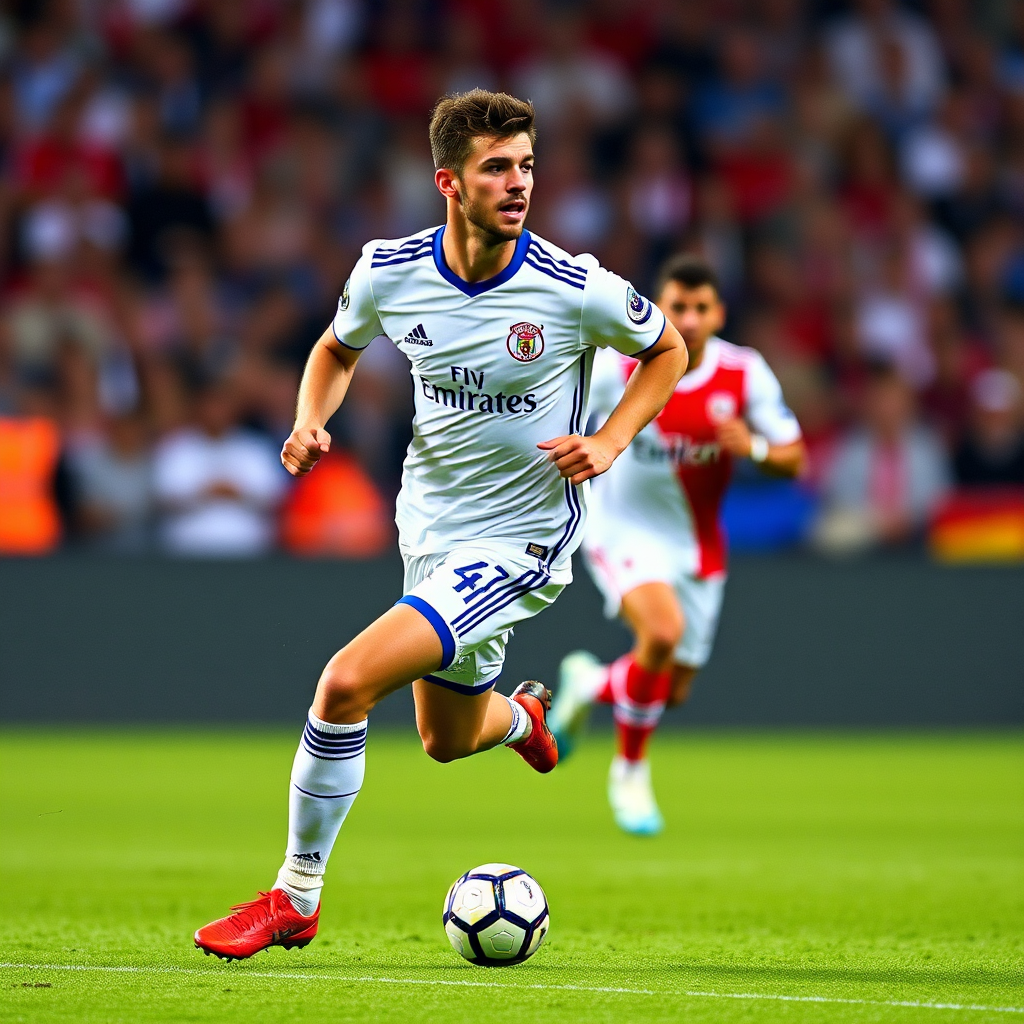 Hình minh hoạ: sin88
A Step-by-Step Method to Evaluate Late-Match Attacking Pressure
Use these five steps every time you analyze a match, starting from the 60th minute. The method works for live watching, video review, and even for building a simple match note that you can reuse later.
Step 1: Lock the Match State First
Before you judge any attacking wave, write down the exact situation: the score, the venue, the stakes, and the fatigue level of each team. A team trailing 0-1 at home in a relegation battle produces a completely different kind of pressure than a team trailing 0-3 with nothing left to fight for. Ask what each side actually needs from the result. A team that is happy with a draw behaves differently from a team that must win, and that difference changes how you interpret every shot and cross.
Step 2: Treat Substitutions as the First Tactical Signal
Substitutions are the clearest early warning of late-match pressure. When a trailing coach makes two attacking changes before the 75th minute, the attacking shape usually shifts from something like 4-3-3 to a riskier 4-2-4. Watch the opposite side too: if the defending coach replaces a striker with a central defender, the trailing team gains an extra body in midfield while the defending team loses an outlet. Note the formation change in your head and then compare it with the shape from the first 60 minutes.
Step 3: Measure Attacking Output, Not Just Territory
Possession percentages are deceptive. A team can hold the ball for 70% of the final 20 minutes and still create nothing because it moves the ball sideways in front of the opponent’s block. What matters is output: shots taken inside the box, touches in the opponent’s penalty area, accurate crosses, forced saves, and corner kicks. You do not need expensive software. A simple manual tally works perfectly during a live game.
Step 4: Identify the Players Carrying the Pressure
Late-match pressure usually depends on a small group of individuals, not the whole team. Watch the full-backs pushing high, the replacement striker making runs behind the defensive line, and the attacking midfielder who keeps receiving the ball in dangerous pockets. If the main creator is exhausted and tightly marked, the pressure collapses into recycled passes. Pay attention to body language: players who point toward obvious passing lanes and sprint to retrieve the ball are still carrying urgency, while players who slow down after losing possession are sending the opposite signal.
Step 5: Compare With Each Team’s Late-Game Baseline
A team that has scored late goals in several matches this season likely has a repeatable late-match pattern: specific runners, specific crossing angles, and a specific striker who floats toward the far post. A team that rarely scores after the 75th minute is probably pushing forward from panic, not from structure. The opponent’s baseline matters too. Some defensive units stay organized under pressure, while others concede late goals regularly because their concentration drops in the final ten minutes.
| Time window | What to track | What the signal means |
|---|---|---|
| 60–70 minutes | Substitutions, shape change, urgency in pressing | Shows whether the coach is willing to take risks before the pressure phase begins |
| 70–80 minutes | Shots, crosses, touches in the opponent’s box | Confirms whether territorial dominance is turning into real chances |
| 80–90 minutes | Set pieces, second balls, defensive errors | Indicates the final wave of pressure and whether fatigue is opening gaps |

Why Each Step Matters
Every step removes a layer of false confidence. The game state filters out matches where pressure is meaningless, such as a team already assured of its result. Substitutions tell you whether the coach is deliberately increasing risk or simply reacting in panic. Counting output instead of possession separates real chances from decorative control. Finding the players behind the pressure helps you predict which direction the next attack will come from, and comparing with historical baselines tells you whether what you are seeing is a repeatable pattern or a one-off moment.
When a team enters its final attacking phase, the same logic applies whether you are analyzing for fun, preparing notes for discussion, or building a structured routine around a football portal such as sin88. The key is consistency: define pressure the same way before every match, and write that definition down so you do not change your interpretation after every goal.

Common Errors That Mislead Beginners
Even experienced viewers fall into the same traps. Recognizing these errors matters more than memorizing the steps.
- Trusting possession stats alone. A team can hold 65% possession without entering the final third with any speed.
- Starting to watch only at the 85th minute. Pressure builds gradually, and late goals usually have an extended build-up that starts around the 70th minute.
- Ignoring the opponent’s defensive structure. Some teams intentionally drop deep and absorb pressure, which makes it look more dangerous than it actually is.
- Misreading a single chance. A one-off shot that hits the crossbar does not mean a team is controlling the pressure phase.
- Confusing desperation with quality. Throwing extra bodies forward creates chaos, but chaos often produces low-quality shots with limited chance of reward.
Risk Management Tips
Evaluating late-match pressure is an analytical exercise. If you choose to act on it, you must separate analysis from emotion and money from impulse.
- Define your bankroll limit before kickoff and keep the exact same limit during live evaluation.
- Treat pressure as probability, not certainty. Even the strongest late attacking wave fails to produce a goal in a large share of matches.
- Never increase the size of your position simply because a big chance just missed. The missed chance is not a signal that the next chance automatically succeeds.
- Use live information responsibly: official lineups, real-time substitutions, and honest assessment of fatigue. Do not overvalue outside commentary.
- If you prefer working inside a structured environment, the methodology explained on sin88.rent is only useful when you combine it with strict loss limits and steady self-discipline.
Frequently Asked Questions
How many minutes count as “late match” in this method?
We define it as the final 20 minutes plus stoppage time. The most reliable signals usually appear between the 70th and 85th minute, before the final frantic minutes when defending teams often simply clear the ball at any cost.
Do I need paid statistics tools to evaluate pressure?
No. Basic live events — shots, corners, throw-in positions, substitutions, touches in the box — are enough to build an accurate picture. Advanced metrics can help, but a careful manual tally works just as well for most matches.
Is high possession in the opponent’s half always a sign of dangerous pressure?
No. Possession in harmless zones, such as the area between midfield and the 30-meter line, can keep the ball in safe territory while creating nothing. The key is where the ball enters the box and how many forced saves it produces.
Can late attacking pressure guarantee a goal?
No. It only increases the likelihood of one. Fatigue, the quality of the defending team, goalkeeper saves, and plain luck remain major variables that no method can eliminate.
Key Risks to Remember
This method reduces guesswork, but it does not remove risk. Late-match attacking pressure can look convincing and still end with zero goals; no amount of analysis changes that. If you decide to act on your reading of a match, never commit money you cannot afford to lose, and never let a single live observation push you into an emotional decision. Treat every match as a fresh event, watch the patterns carefully, and keep the limits you set before kickoff.